"The plan was to save 35 % of energy, but we have achieved over 70 %."
July 18, 2025
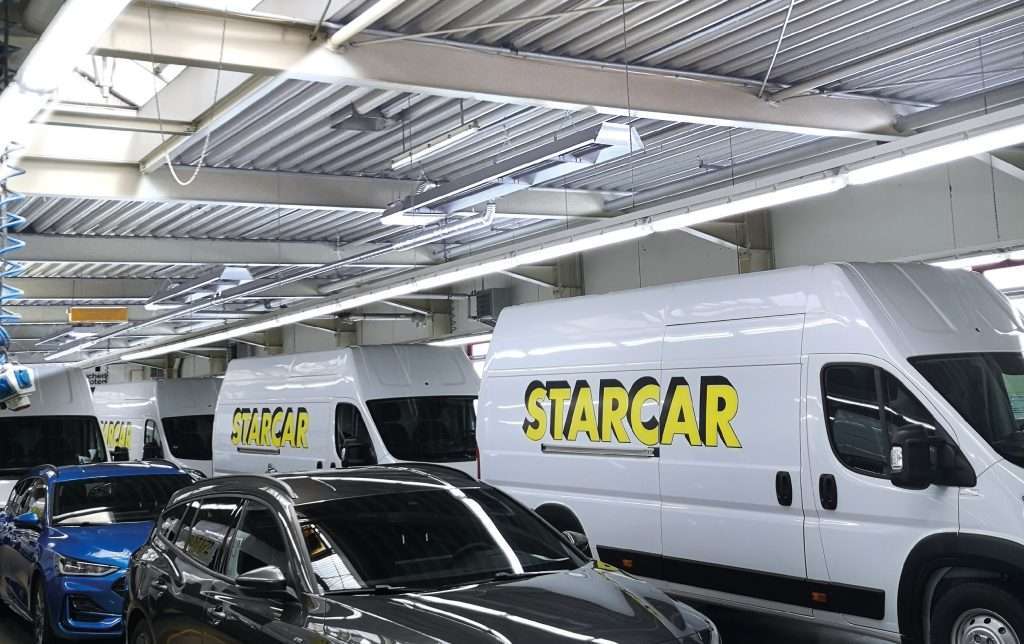
Autoterminal Neuss is one of the largest car handling centers in Germany and offers a comprehensive range of services from appraisals to painting and conversions. The company offers modern logistics solutions on an area of around 24 soccer pitches and with 11,900 storage spaces. As a partner of BLG Logistics and DB Cargo, ATN has a strong international network. Around 100 employees take care of the preparation and worldwide transportation of vehicles.
The renovation project
Since 1994, the halls at the main site in Neuss have been heated with a central hot air system using a gas-powered hot water boiler system, which resulted in high energy costs. In order to achieve the company's own ambitious climate targets and increase efficiency, it was decided in 2021 to convert to a modern, decentralized heating system. In collaboration with the engineering firm Enviconsult, a heat demand analysis was carried out and a concept was developed to switch off the old boilers and introduce modern infrared heating.
Requirements and implementation
ATN has been using decentralized infrared heaters from KÜBLER in one branch since 2017. Due to the different areas of use in the halls, the decision was also made in 2021 for a system that can specifically control individual heating zones. Convenient control and high energy efficiency were also important. After reviewing various offers, KÜBLER was again chosen because its system and the CELESTRA digital control system were convincing.
Technical solution
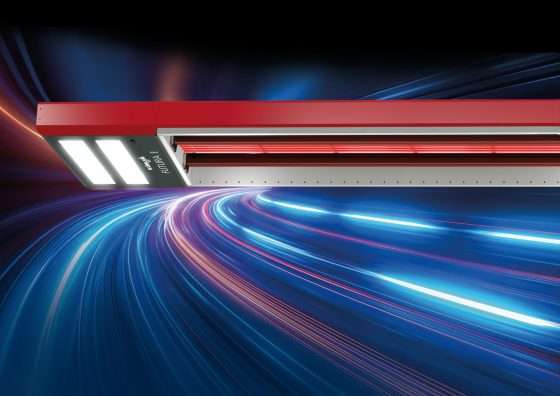
Due to the low ceiling heights, PRIMA infrared systems were installed in the halls and PRIMA plus. These systems offer high infrared efficiency and a good price-performance ratio. The system is controlled by CELESTRA, which automatically optimizes heating operation in the heating zones. The WinTec extension module enables remote control and TorOff reduces energy losses when the hall doors are open. The EMMA energy management system ensures real-time transparency and provides relevant data for reporting, e.g. in accordance with DIN EN 50001.
Results
Since commissioning in September 2022, expectations have been exceeded. The conservative target was 35 percent energy savings, but over 70 percent was achieved. Energy consumption fell from 1,996 MWh in 2021 to 565 MWh in 2023, representing a saving of 1,431 MWh per year. In addition, 97 MWh of electricity and 344 tons of CO₂ were saved. Lutz Obladen, Head of Facility Management at ATN: „The switch to decentralized infrared heating technology is a milestone in achieving our climate goals!“
Experience and conclusion
The old heating system caused high costs and environmental pollution. The new infrared heating system from KÜBLER enables targeted control of the heating areas and significantly reduces energy consumption. The cooperation with KÜBLER was successful, the installation went smoothly and during operation. The employees are satisfied and the system works perfectly. Obladen emphasizes: "The bottom line is that I would do everything exactly the same again."
Everything you need to know about energy-saving hall heating systems in practice
Saving energy is a big issue - across all sectors. If you want to put an end to inefficient heating systems, our guide is just right for you!
Request a free guide
Interested in our press photos?
Would you like to download all images from the article in the highest quality? Simply click on the button below and enjoy our press photos in the highest resolution!
You might also be interested in
-
 While the public debate has so far focused heavily on residential construction, specific questions arise for industrial and logistics companies: what are the implications for large-volume non-residential buildings such as production and logistics halls? Thomas Kübler, an expert in energy-efficient hall heating systems, explains the key points from a practical perspective. Climate neutrality remains the guiding principle The German government is sticking to its goal of climate neutrality [...]
 -
 „Anyone who is nominated for the ‘Großer Preis des Mittelstandes’ belongs to the elite of German SMEs. This nomination alone is already an award of the highest quality,“ emphasizes Barbara Stamm, President of the Bavarian State Parliament. Outstanding achievements in five areas In the competition, the KÜBLER company is assessed in its entirety and its role within society. The [...]
 -
 Ludwigshafen - Clear messages, clear expectations: At the annual reception of the Rhineland-Palatinate Economic Council at the main site of KÜBLER GmbH, host Frederic Renz had clear words to say about the economic situation. „SMEs need what all companies in Germany urgently need: a clear direction and reliable political framework conditions. If you want economic growth, you have to create planning security,“ emphasized the Managing Director of the hall heating specialist. Around [...]
 -
 Heating halls efficiently, economically and functionally is a challenge. Because in these huge buildings with ceiling heights that often reach 20 meters, a lot of energy can quickly be consumed - energy that is expensive and, depending on the heating technology used, also causes high emissions. The building stock is often still equipped with inefficient and [...]