Refurbishing hall heating can be costly. Or simple and lucrative.
September 4, 2019
The old hall heating system consumes too much energy, emits too much CO₂ and is becoming increasingly unreliable. Good reasons to finally tackle heating modernization and replace the old system with a modern, energy-efficient one. But the expense seems high and is often shied away from. Yet today there are alternative solutions that can also be very interesting economically.
"We know that our heating system is old and not efficient enough. But in the short term, we don't have the capacity to set up a new infrastructure project. We are patching up the bare essentials." "We've been annoyed with the old heating system for years. But the hall is rented. People are simply afraid to make long-term investments." Two typical statements when it comes to outdated heating systems in existing buildings. Often, however, the necessary budgets are simply not made available by the management - investments are primarily made in the production process. Hall heating is considered less relevant. In addition, larger investments that are depreciated over years often simply do not fit into financial planning. This is a crux that many plant or maintenance managers struggle with.
The problem with this is that many companies lose millions over the years. In saved energy costs alone. Budgets that could be freed up for other investments. At the same time - if you think about the reductions in CO₂ emissions that are urgently required by climate policy - relevant potential savings literally disappear into thin air.
But there is a solution. It's called renting hall heating. Unusual, because heating systems are traditionally regarded as capital goods. But this view has changed radically. With its new HeizWerk rental model, KÜBLER, the specialist for energy-efficient hall heating systems, provides a very simple and practical answer to the frequent investment backlog in the energy-efficient refurbishment of large-capacity heating systems.
The new HeizWerk rental model offers a number of advantages that make it interesting for many hall projects. The three most important are
- No capital expenditure
- Immediately reduced operating costs
- Modern high-efficiency technologies for new or existing buildings
The hall heating rental service model is a complete all-round carefree package. Excluding operation and energy supply (procurement remains with the user as usual), the package includes all services from the analysis of hall-specific energy flows, planning and engineering to reliable heating operation and bundles these into a single product: heat.
All these services are combined in HeizWerk:
- Modern energy-saving heating technology
- Planning, engineering, realization
- Advice on purchasing gas
- System operation
- Service and maintenance
- Availability guarantee
- Digital control and analysis software (heat management system)
- Preparation of annual heat reports, for example for audits such as ISO 14001, ISO 50001 or DIN EN 16247
An economical and sustainable solution for hall operators who rely on guaranteed energy efficiency and cost reduction for heating.
The highly efficient heating technology is supported by an intelligent operating management and monitoring system. It ensures continuous optimization of the heating process. This allows energy savings to be actively controlled and potential to be used sustainably. Logs and reports can be generated at any time at the touch of a button. Ultimately, it is the company's efficiency targets that are supported by the heating modernization. For example, in accordance with EnEV and EEWärmeG, or for certification in accordance with ISO 14001, DIN 16247 or ISO 50001.
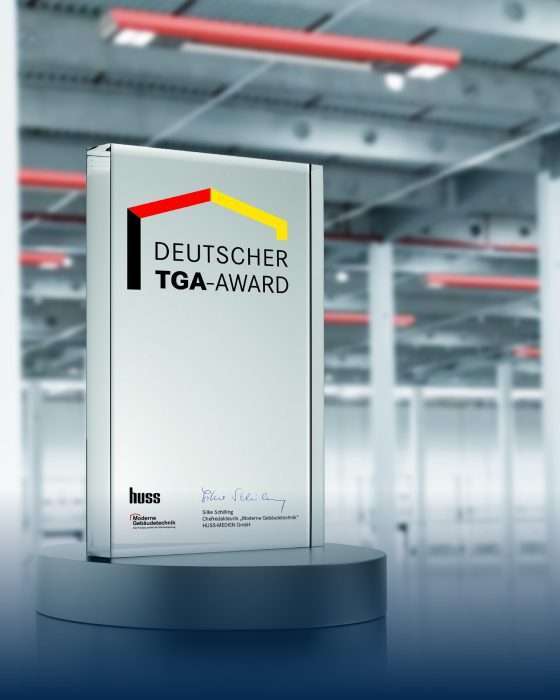
KÜBLER stands for 30 years of experience in the development, design and operation of sustainable, energy-efficient systems. The company specializes in the development of highly efficient infrared hall heating systems and is regarded as an innovation and technology leader in this segment. It has been setting the technical standards for the industry for decades. Most recently with the WÄRME 4.0 digital hall heating concept. KÜBLER is regularly recognized for its corporate and innovative achievements. Awards in recent years include: German Sustainability Award 2012 for "Germany's most sustainable product" (H.Y.B.R.I.D.), Energy Masters Award 2014 (Reiners + Fürst customer project with around 65 % energy savings), Energy Efficiency Award 2016 (Thelen Group customer project with around 60 % energy savings), Rhineland-Palatinate Innovation Award 2018 (WÄRME 4.0 - the Digital Hall Heating System).
Everything you need to know about energy-saving hall heating systems in practice
Saving energy is a big issue - across all sectors. If you want to put an end to inefficient heating systems, our guide is just right for you!
Request a free guide
Interested in our press photos?
Would you like to download all images from the article in the highest quality? Simply click on the button below and enjoy our press photos in the highest resolution!
You might also be interested in
-
 While the public debate has so far focused heavily on residential construction, specific questions arise for industrial and logistics companies: what are the implications for large-volume non-residential buildings such as production and logistics halls? Thomas Kübler, an expert in energy-efficient hall heating systems, explains the key points from a practical perspective. Climate neutrality remains the guiding principle The German government is sticking to its goal of climate neutrality [...]
 -
 „Anyone who is nominated for the ‘Großer Preis des Mittelstandes’ belongs to the elite of German SMEs. This nomination alone is already an award of the highest quality,“ emphasizes Barbara Stamm, President of the Bavarian State Parliament. Outstanding achievements in five areas In the competition, the KÜBLER company is assessed in its entirety and its role within society. The [...]
 -
 Ludwigshafen - Clear messages, clear expectations: At the annual reception of the Rhineland-Palatinate Economic Council at the main site of KÜBLER GmbH, host Frederic Renz had clear words to say about the economic situation. „SMEs need what all companies in Germany urgently need: a clear direction and reliable political framework conditions. If you want economic growth, you have to create planning security,“ emphasized the Managing Director of the hall heating specialist. Around [...]
 -
 Heating halls efficiently, economically and functionally is a challenge. Because in these huge buildings with ceiling heights that often reach 20 meters, a lot of energy can quickly be consumed - energy that is expensive and, depending on the heating technology used, also causes high emissions. The building stock is often still equipped with inefficient and [...]