Focus on "open hall doors"
March 5, 2021
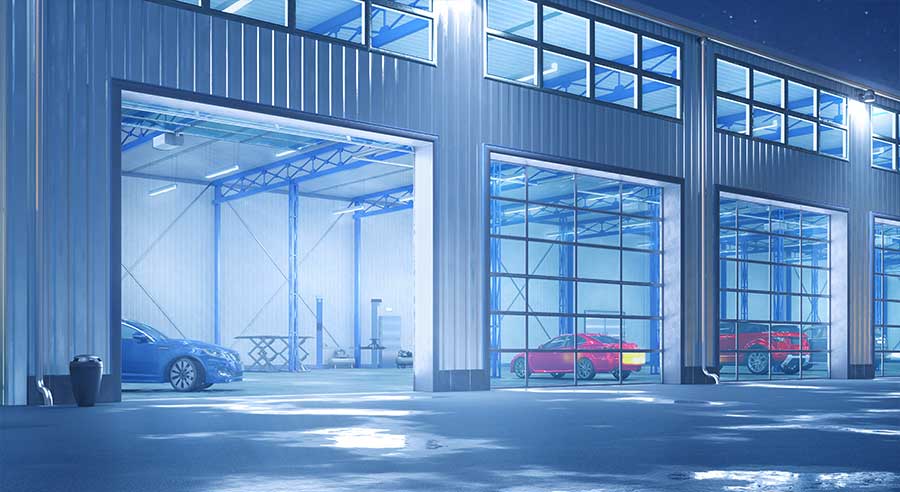
"Heating with the windows open" in private households is like "heating with the doors open" in production halls and warehouses. It's great if you can afford this in industry and commerce because production and business are obviously running - unfortunately, this is not a matter of course for many companies in times of coronavirus.
But the question arises: can we afford to simply burn off expensive heat through open hall doors in winter?
The hot topic of "open warehouse doors" is a hotly debated issue. Most of all between those who are responsible for reducing operating costs in companies and those who are responsible for ensuring that production and delivery processes run as smoothly as possible. Who thinks about closing doors during day-to-day business that will have to be opened again shortly afterwards anyway?
Proven solutions to this problem rely on digital intelligence to control hall heating systems. Special tools record the processes at the doors and switch off the heaters specifically for the time they are open. Over the heating period, this ensures a significant reduction in energy consumption and costs. At a company in Laubach, the door opening times were recorded and optimized in this way - this alone significantly reduced operating costs. Interestingly, these solutions can be easily retrofitted as modules in existing control systems.
Would you like to find out more about these control solutions? No problem! You can reach the hall heating specialists at KÜBLER under Contact.
By the way: we will reveal the next hot tip on the subject of ENERGY EFFICIENCY & HALL BUILDINGS in a week's time.
Everything you need to know about energy-saving hall heating systems in practice
Saving energy is a big issue - across all sectors. If you want to put an end to inefficient heating systems, our guide is just right for you!
Request a free guide
You might also be interested in
-
 A new heating system for your company's hall is a decision that needs to be carefully considered. Read this article to find out which facts speak in favor of an infrared radiant heater!
 -
Operators of indoor heating systems are also responsible for having their system serviced regularly. In addition to operational safety, there are other good reasons why maintenance should not be put on the back burner!
-
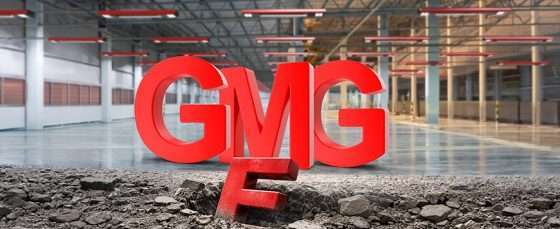
 The German government is sticking to its goal of climate neutrality by 2045. The GMG is to come into force on 01.07.2026. The EU Buildings Directive (EPBD) will be implemented 1:1, making full use of national leeway. The requirements of the Heating Act (GEG §§ 71-71p) will be deleted. The obligation to operate new heating systems with at least 65 % renewable energy will no longer apply to new and existing buildings. Technology openness: Owners [...]
 -
 Germany has a huge number of buildings whose heating systems waste energy every day and produce far too much CO₂. With regard to the use of renewable energies and modern technologies, it is by no means just an old stock that urgently needs to be refurbished. Many newly built halls are also equipped with outdated [...]