Long Christmas break? Lower the heating temperature now!
March 5, 2021
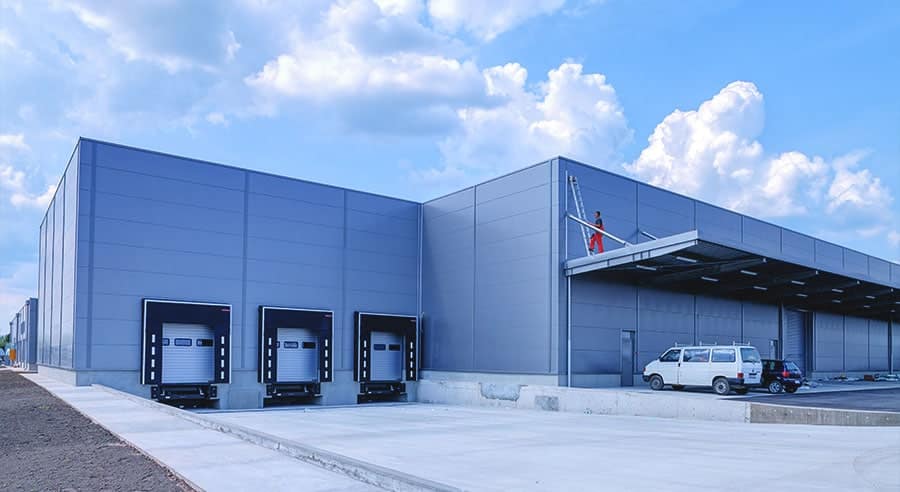
Not only politicians have pulled the ripcord, many companies are also planning to extend the Christmas break and shut down operations at least until the second week of January. Machines will be at a standstill for weeks and the doors to the factory buildings will remain closed.
To avoid burning unnecessary money in addition to the high costs of downtime, you should adjust the heating operation. Many systems today are equipped with modern control software that makes it easy to adjust the operating times. But manual conversion also pays off.
The expert's recommendation:
- Use the vacation mode setting. You can regulate the heating system down to 8 °C during the Christmas break, provided your general conditions allow this. This temperature is sufficient to ensure that the building does not cool down completely and that the operating temperature can be reached again quickly if required.
- Switch back to normal operation at the weekend before starting work. The system will run at the setback temperature according to your settings and resume normal operation on Monday.
Depending on the size of your system, reducing the temperature will save you several thousand euros. A sum that you can certainly budget for in the coming financial year. Perhaps even to toast a happy, healthy and successful new year together with your employees?
Would you like to find out more about temperature reduction and modern heating control? No problem! You can reach the hall heating specialists from KÜBLER at ► Contact.
By the way: The Hot tip around the topic ENERGY EFFICIENCY & HALL BUILDINGS now taking a break. You will receive the next one in the new year. Happy holidays!
Everything you need to know about energy-saving hall heating systems in practice
Saving energy is a big issue - across all sectors. If you want to put an end to inefficient heating systems, our guide is just right for you!
Request a free guide
You might also be interested in
-
 A new heating system for your company's hall is a decision that needs to be carefully considered. Read this article to find out which facts speak in favor of an infrared radiant heater!
 -
Operators of indoor heating systems are also responsible for having their system serviced regularly. In addition to operational safety, there are other good reasons why maintenance should not be put on the back burner!
-
 The German government is sticking to its goal of climate neutrality by 2045. The GMG is to come into force on 01.07.2026. The EU Buildings Directive (EPBD) will be implemented 1:1, making full use of national leeway. The requirements of the Heating Act (GEG §§ 71-71p) will be deleted. The obligation to operate new heating systems with at least 65 % renewable energy will no longer apply to new and existing buildings. Technology openness: Owners [...]
 -
 Germany has a huge number of buildings whose heating systems waste energy every day and produce far too much CO₂. With regard to the use of renewable energies and modern technologies, it is by no means just an old stock that urgently needs to be refurbished. Many newly built halls are also equipped with outdated [...]