Sustainable heat for the Berlin-Mitte cogeneration plant
June 27, 2024
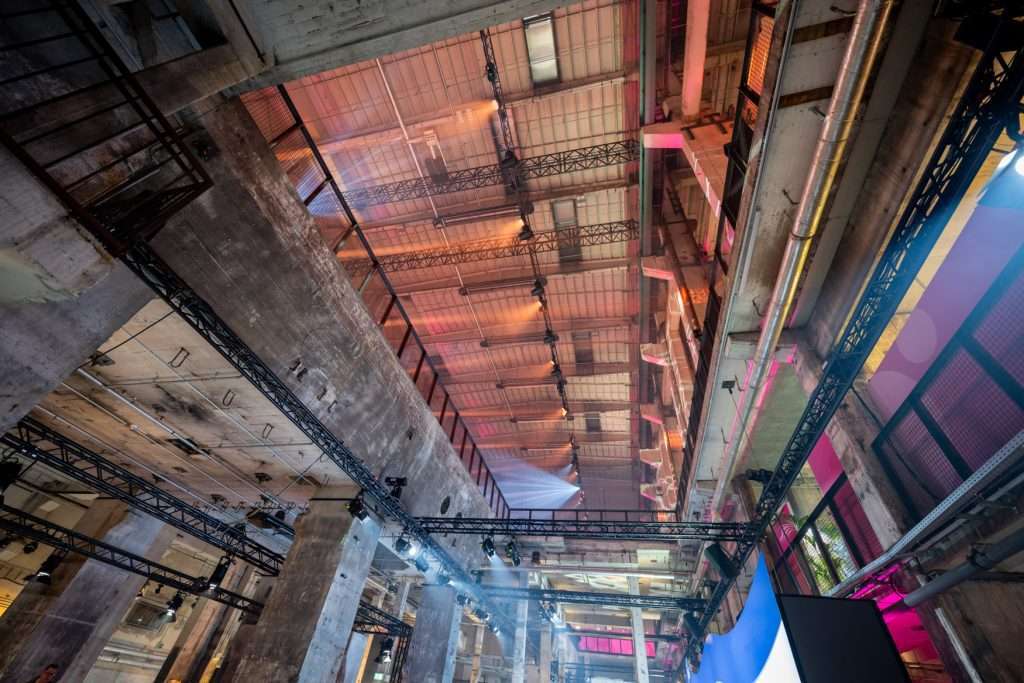
Fourteen years after the commissioning of the innovative H.Y.B.R.I.D. heating system in the Berlin-Mitte combined heat and power plant, Dimitri Hegemann, cultural manager and managing director of the combined heat and power plant, draws a positive balance: "There is no better heating system for our purposes."
The combined heat and power plant at Köpenicker Strasse 70 is a piece of Berlin's industrial history. A cathedral of concrete and steel with gigantic dimensions and a height of almost 30 meters. Discovered as an event location by techno pope Dimitri Hegemann, the question arose:
"How do you get this box hot?"
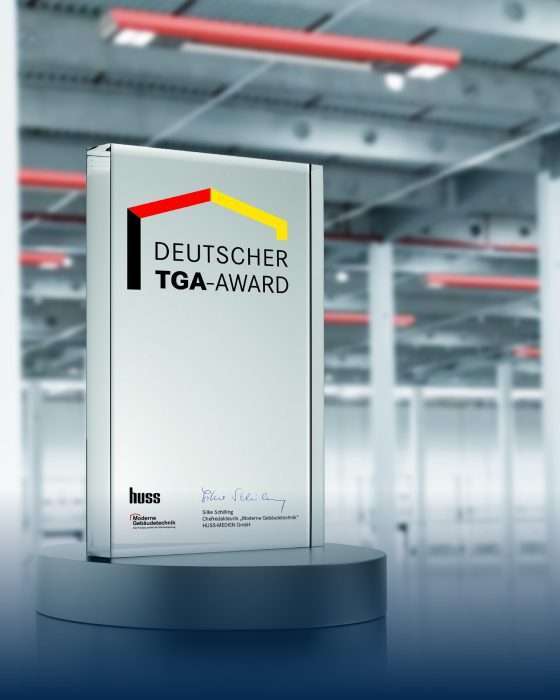
The solution was found in 2010. The imposing building complex was equipped with a modern infrared heating system from KÜBLER. The choice fell on the H.Y.B.R.I.D. system, which impresses with its high efficiency and sustainability and has received several awards, including the German Sustainability Award. Dimitri Hegemann: "Thanks to the H.Y.B.R.I.D. system, we were not only able to heat economically with infrared, but also use the energy from the waste heat perfectly for the conventional heating systems." And Klaus Bernzen, Technical Manager at the combined heat and power plant, emphasizes:
"The use of residual heat from the infrared heaters also met our ecological requirements."
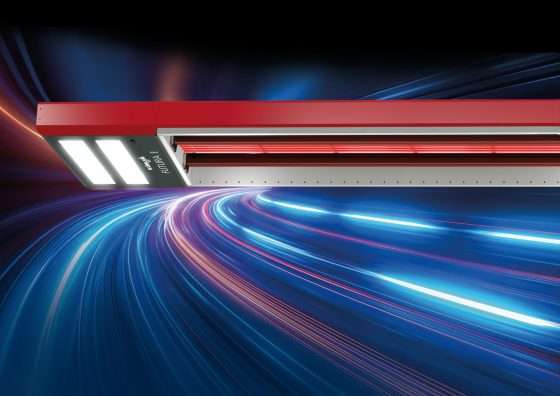
The H.Y.B.R.I.D. system from KÜBLER combines state-of-the-art IR technology with integrated residual heat utilization. Today, the system comprises 36 black-painted Optima units and four heat exchangers that efficiently feed the residual heat generated into two large buffer storage tanks. This advanced technology enables the entire 10,000 square meter and almost 30 meter high building complex to be heated sustainably.
Dimitri Hegemann, known for his visionary projects and as the operator of the world-famous techno club Tresor, which is located in part of the combined heat and power plant, praises the heating solution from KÜBLER:
"Hybrid infrared heating still fits the bill because it is sustainable. Air heating would have been far too complex, far too expensive and far too unsustainable."
Sustainability and culture in harmony - the Berlin-Mitte cogeneration plant is now a cultural stronghold and attracts 60,000 to 70,000 visitors every year. It serves as a venue for exhibitions, concerts, film shoots and corporate events. Incidentally, the company is particularly proud of the fact that techno culture has been named an intangible UNESCO World Heritage Site in 2024, which also underlines the great importance of the cultural cathedral in Berlin Mitte.
Everything you need to know about energy-saving hall heating systems in practice
Saving energy is a big issue - across all sectors. If you want to put an end to inefficient heating systems, our guide is just right for you!
Request a free guide
Interested in our press photos?
Would you like to download all images from the article in the highest quality? Simply click on the button below and enjoy our press photos in the highest resolution!
You might also be interested in
-
 While the public debate has so far focused heavily on residential construction, specific questions arise for industrial and logistics companies: what are the implications for large-volume non-residential buildings such as production and logistics halls? Thomas Kübler, an expert in energy-efficient hall heating systems, explains the key points from a practical perspective. Climate neutrality remains the guiding principle The German government is sticking to its goal of climate neutrality [...]
 -
 „Anyone who is nominated for the ‘Großer Preis des Mittelstandes’ belongs to the elite of German SMEs. This nomination alone is already an award of the highest quality,“ emphasizes Barbara Stamm, President of the Bavarian State Parliament. Outstanding achievements in five areas In the competition, the KÜBLER company is assessed in its entirety and its role within society. The [...]
 -
 Ludwigshafen - Clear messages, clear expectations: At the annual reception of the Rhineland-Palatinate Economic Council at the main site of KÜBLER GmbH, host Frederic Renz had clear words to say about the economic situation. „SMEs need what all companies in Germany urgently need: a clear direction and reliable political framework conditions. If you want economic growth, you have to create planning security,“ emphasized the Managing Director of the hall heating specialist. Around [...]
 -
 Heating halls efficiently, economically and functionally is a challenge. Because in these huge buildings with ceiling heights that often reach 20 meters, a lot of energy can quickly be consumed - energy that is expensive and, depending on the heating technology used, also causes high emissions. The building stock is often still equipped with inefficient and [...]