Efficient hall heating technologies - for more design freedom
September 1, 2019
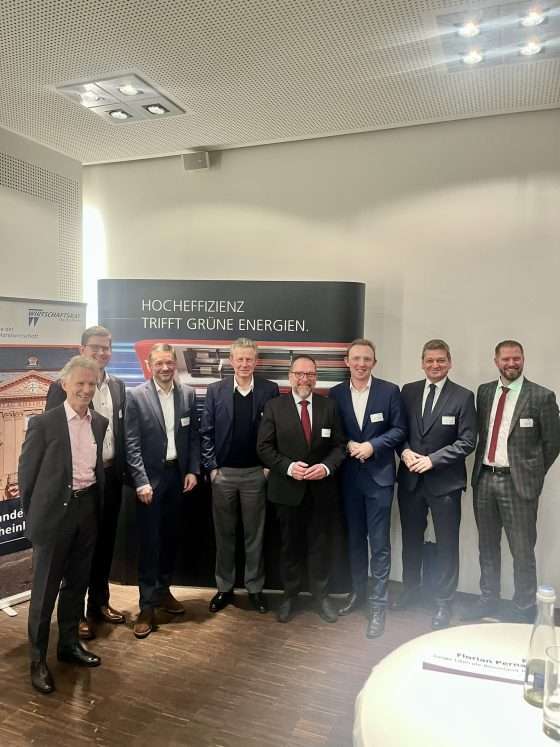
Energy savings of up to 70 % - with these values, KÜBLER heating systems are perhaps one of the most effective levers for reducing primary energy consumption, CO₂ emissions and costs in the hall sector. Depending on the project, this can amount to annual savings of €300,000 and more. A sum that can be used for design. Because it offers financial freedom. For architectural innovations. For further beneficial measures on the building structure. The innovation leader presented its latest developments at ISH 2019 in Frankfurt.
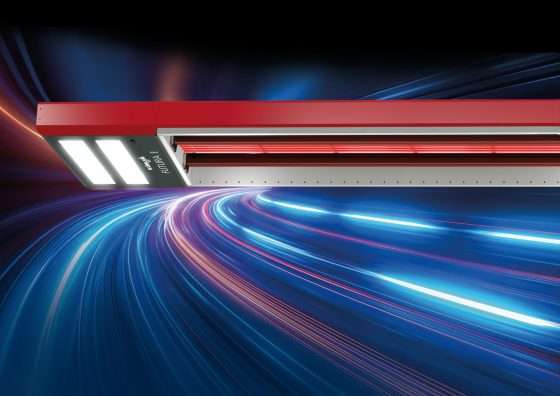
The infrared heating technologies from KÜBLER are among the most innovative and efficient solutions when it comes to heating high rooms in a modern and economical way. The high energy efficiency of KÜBLER infrared heating systems ensures that the use of renewable energies - and thus hydraulic systems, which are highly inefficient and especially uneconomical in this building sector (investment factor 1.8 - 4.0) - can be dispensed with in the new hall construction sector in accordance with EnEV / EEWärmeG or GEG.
In addition to their almost unbeatable energy efficiency, these decentralized systems offer further advantages for your planning and the hall user. For example these: In terms of design, the systems can be easily integrated into the building structure and adapted to changing usage and working conditions at any time. There is no need for separate boiler rooms. In addition to the energy efficiency benefits, the very fast heating and cooling phases offer a high degree of flexibility and adaptability. The systems are extremely comfortable for the user in terms of heat sensation without dust and draughts.
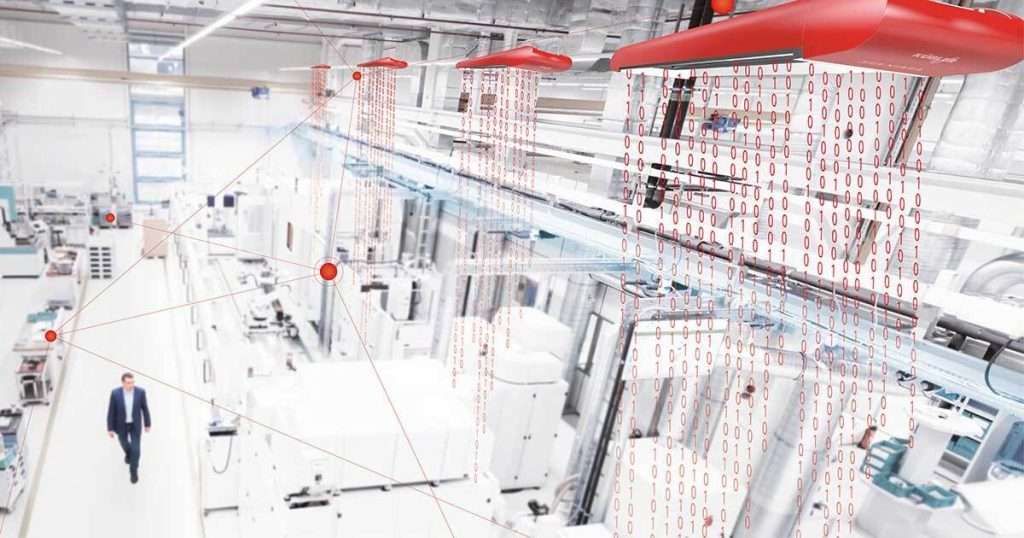
How do you meet the challenges of building and renovating industrial, sports and event halls? One of the most economical and pragmatic answers was a highlight of the ISH: the WÄRME 4.0 digital hall heating system. Winner of the 2018 Rhineland-Palatinate Innovation Award, WÄRME 4.0 stands for a new, comprehensive view of heat supply in hall buildings. Specifically, it stands for a smart digitalization and networking strategy. With WÄRME 4.0, KÜBLER combines its efficiency technologies with energy-saving cooling. Integrates production processes. Integrates energy flows in halls and offices. Integrates intelligent heat management software. And thus makes completely new synergy effects and savings potential available.
As an expert in the construction and refurbishment of hall buildings, KÜBLER offers more than just excellent heating technologies. We support you throughout the entire project with our know-how, our experience and valuable information.
Everything you need to know about energy-saving hall heating systems in practice
Saving energy is a big issue - across all sectors. If you want to put an end to inefficient heating systems, our guide is just right for you!
Request a free guide
Interested in our press photos?
Would you like to download all images from the article in the highest quality? Simply click on the button below and enjoy our press photos in the highest resolution!
You might also be interested in
-
 While the public debate has so far focused heavily on residential construction, specific questions arise for industrial and logistics companies: what are the implications for large-volume non-residential buildings such as production and logistics halls? Thomas Kübler, an expert in energy-efficient hall heating systems, explains the key points from a practical perspective. Climate neutrality remains the guiding principle The German government is sticking to its goal of climate neutrality [...]
 -
 „Anyone who is nominated for the ‘Großer Preis des Mittelstandes’ belongs to the elite of German SMEs. This nomination alone is already an award of the highest quality,“ emphasizes Barbara Stamm, President of the Bavarian State Parliament. Outstanding achievements in five areas In the competition, the KÜBLER company is assessed in its entirety and its role within society. The [...]
 -
 Ludwigshafen - Clear messages, clear expectations: At the annual reception of the Rhineland-Palatinate Economic Council at the main site of KÜBLER GmbH, host Frederic Renz had clear words to say about the economic situation. „SMEs need what all companies in Germany urgently need: a clear direction and reliable political framework conditions. If you want economic growth, you have to create planning security,“ emphasized the Managing Director of the hall heating specialist. Around [...]
 -
 Heating halls efficiently, economically and functionally is a challenge. Because in these huge buildings with ceiling heights that often reach 20 meters, a lot of energy can quickly be consumed - energy that is expensive and, depending on the heating technology used, also causes high emissions. The building stock is often still equipped with inefficient and [...]