Heating innovations for the energy transition. For halls.
February 6, 2023
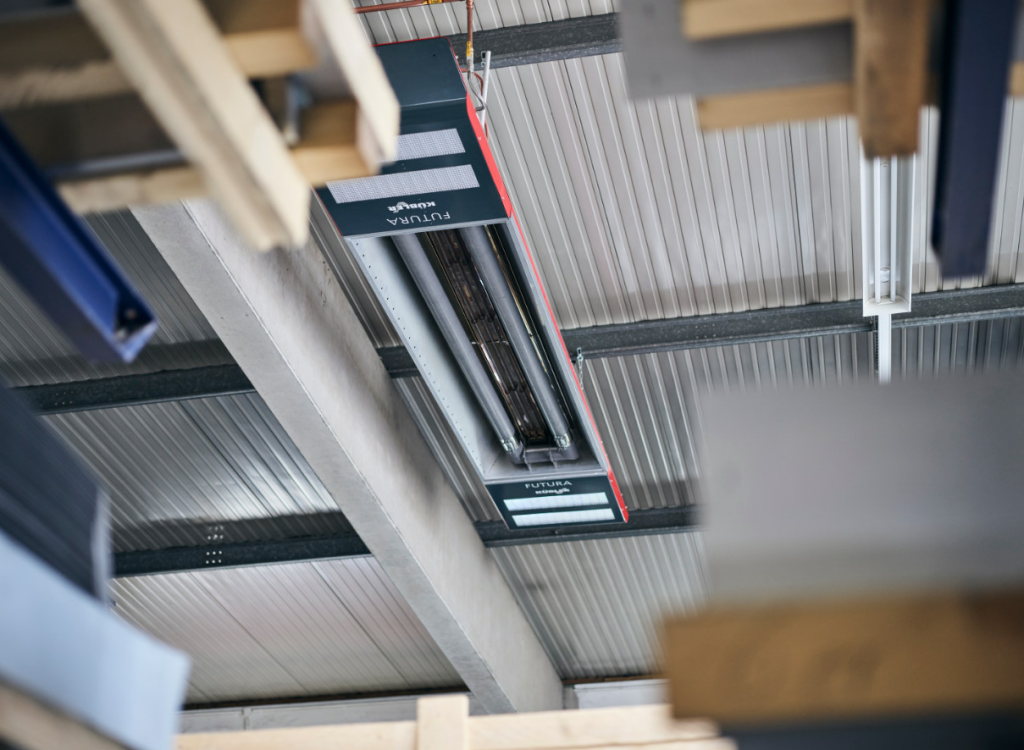
KÜBLER presents world firsts for the sustainable and economical heating of industrial, commercial and municipal buildings at ISH 2023.
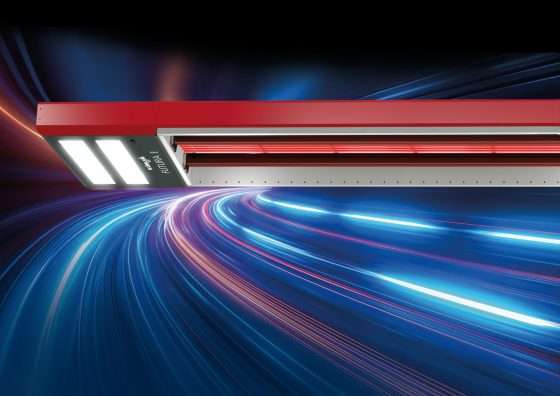
The German government wants 65 percent renewable energy from 2024 onwards. „It can have it,“ says Thomas Kübler. At ISH 2023, Ludwigshafen-based hall heating specialist KÜBLER GmbH will present its latest development: the world-first FUTURA. Kübler: „FUTURA is our solution for the energy transition and thus for a successful path to a CO₂-free future.“
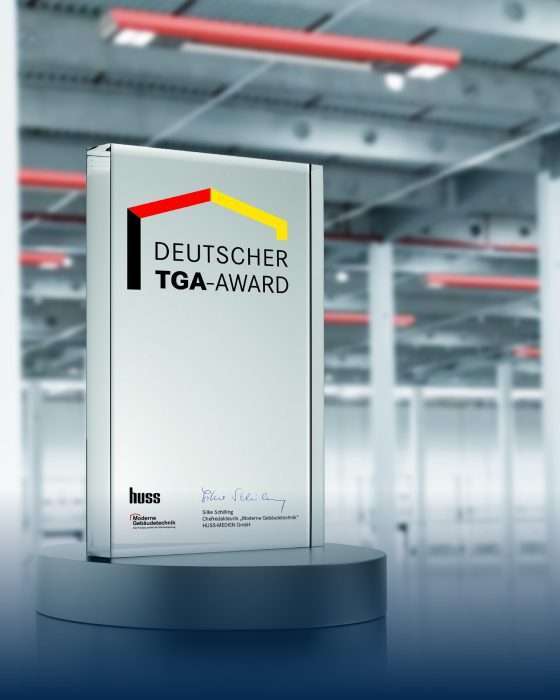
Already recognized as an "Innovative Technology for Climate Protection "*, the company known for its energy-saving technology is initiating a paradigm shift in hall heating. Kübler: "Up to now, energy efficiency has been the focus of our developments. FUTURA now combines the highly efficient use of resources with the use of various regenerative energy sources".
FUTURA is therefore called a "multi-energy infrared system". The system can be operated with green electricity as well as green hydrogen or biogas. But the multivalent heating system can also use gas. "We need this option as a bridge to the carbon-free era and to balance out volatile renewable energies," says Kübler. Depending on the availability or cost of renewable energies, it is possible to switch back and forth between the energy sources.
Green heating is highly economical for industry, commerce and local authorities. With up to 70 % less consumption, both sides benefit: the companies and the environment.
KÜBLER at the ISh23
March 13–17, 2023
Messe Frankfurt am Main
Hall 12.1, Stand B19
* KÜBLER wins the special prize in the ISB's SUCCESS 2022 technology competition with FUTURA
We look forward to your publication. You can download the press release under the following link: https://www.kuebler-hallenheizungen.de/wp-content/uploads/2023/02/MedienInfo_KUEBLER_ISh23_20230206.docx
You can find more information about ISH here.
Everything you need to know about energy-saving hall heating systems in practice
Saving energy is a big issue - across all sectors. If you want to put an end to inefficient heating systems, our guide is just right for you!
Request a free guide
Interested in our press photos?
Would you like to download all images from the article in the highest quality? Simply click on the button below and enjoy our press photos in the highest resolution!
You might also be interested in
-
 While the public debate has so far focused heavily on residential construction, specific questions arise for industrial and logistics companies: what are the implications for large-volume non-residential buildings such as production and logistics halls? Thomas Kübler, an expert in energy-efficient hall heating systems, explains the key points from a practical perspective. Climate neutrality remains the guiding principle The German government is sticking to its goal of climate neutrality [...]
 -
 „Anyone who is nominated for the ‘Großer Preis des Mittelstandes’ belongs to the elite of German SMEs. This nomination alone is already an award of the highest quality,“ emphasizes Barbara Stamm, President of the Bavarian State Parliament. Outstanding achievements in five areas In the competition, the KÜBLER company is assessed in its entirety and its role within society. The [...]
 -
 Ludwigshafen - Clear messages, clear expectations: At the annual reception of the Rhineland-Palatinate Economic Council at the main site of KÜBLER GmbH, host Frederic Renz had clear words to say about the economic situation. „SMEs need what all companies in Germany urgently need: a clear direction and reliable political framework conditions. If you want economic growth, you have to create planning security,“ emphasized the Managing Director of the hall heating specialist. Around [...]
 -
 Heating halls efficiently, economically and functionally is a challenge. Because in these huge buildings with ceiling heights that often reach 20 meters, a lot of energy can quickly be consumed - energy that is expensive and, depending on the heating technology used, also causes high emissions. The building stock is often still equipped with inefficient and [...]