How companies are setting the right course today
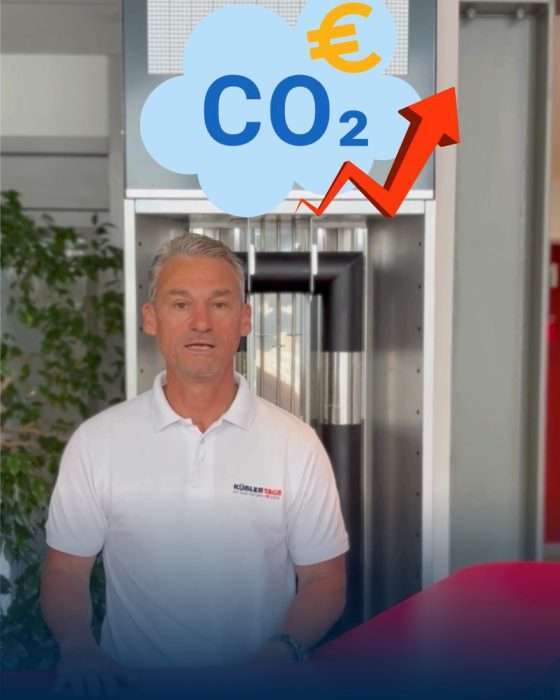
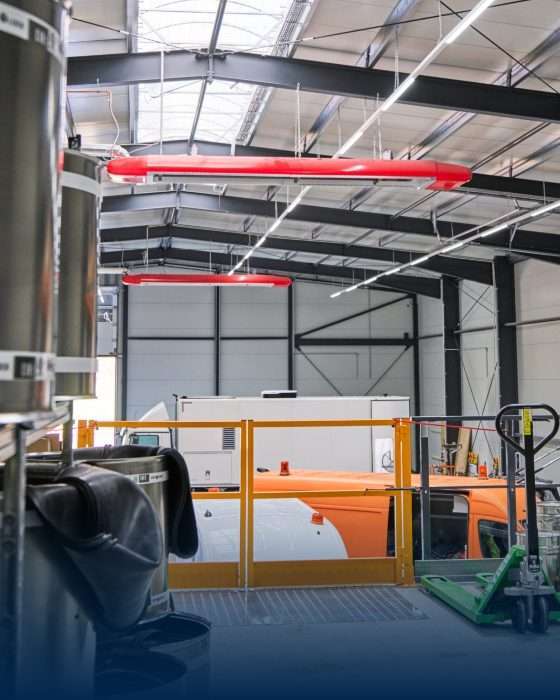
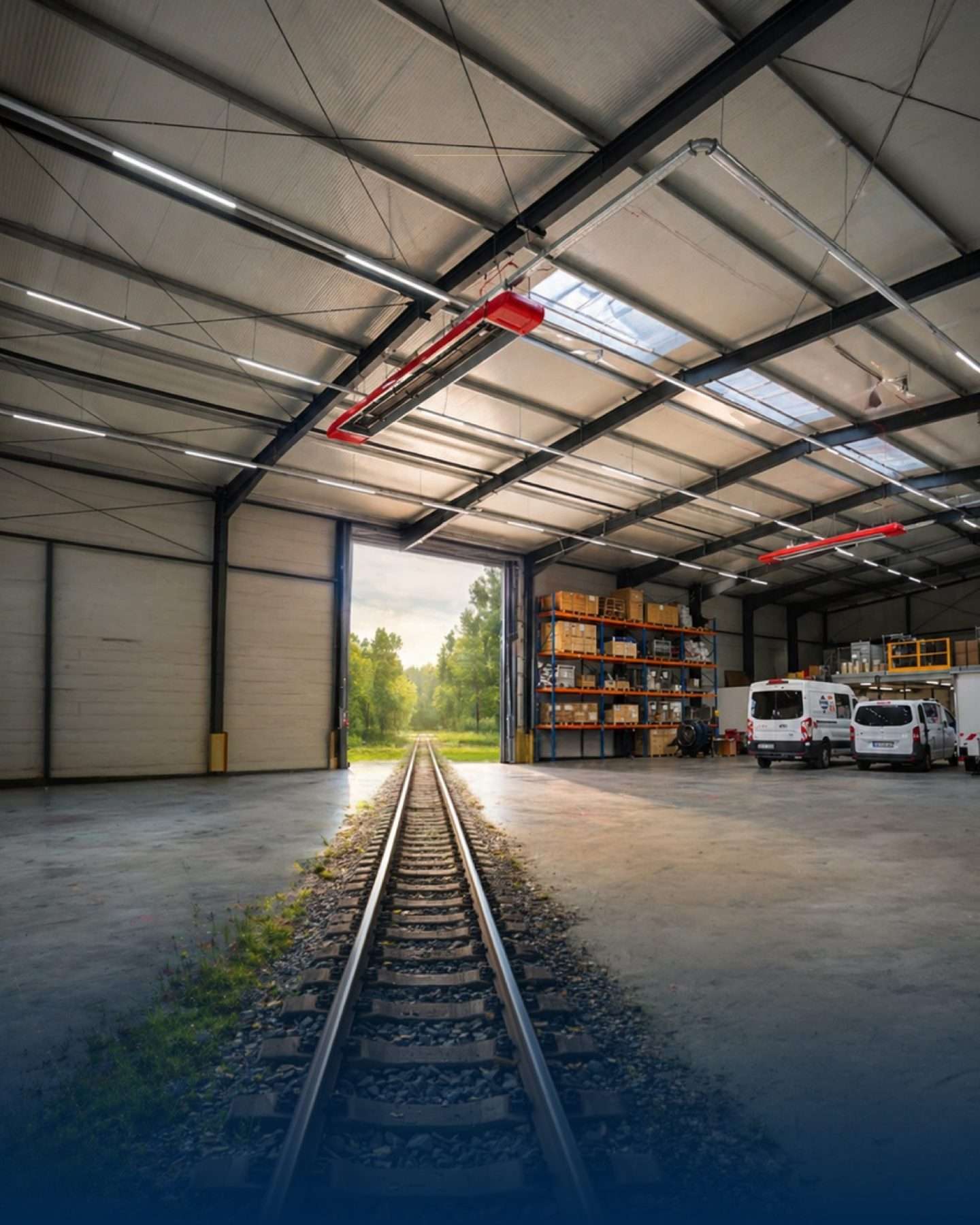
The heat transition is no longer a future topic for SMEs - but a current strategic task. This was emphasized during the webinar „Heat transition 2030: How to set the course today for an efficient and legally compliant future", which was organized by the IHK Trier together with the IHK-Arbeitsgemeinschaft Rheinland-Pfalz. In his presentation Thomas Kübler (KÜBLER GmbH Energiesparende Hallenheizungen) provided practical insights into the political framework conditions and showed how companies can implement the heat transition economically - especially in hall and non-residential buildings.
The experienced entrepreneur provided key impetus:
→ Heat is the key to the energy transition
Heat accounts for up to 70 % of energy consumption in companies - this is where the greatest leverage lies.
→ Efficiency before energy sources
The question of gas, electricity or hydrogen is not the starting point, but rather the optimization of the existing system.
→ Specific requirements of halls
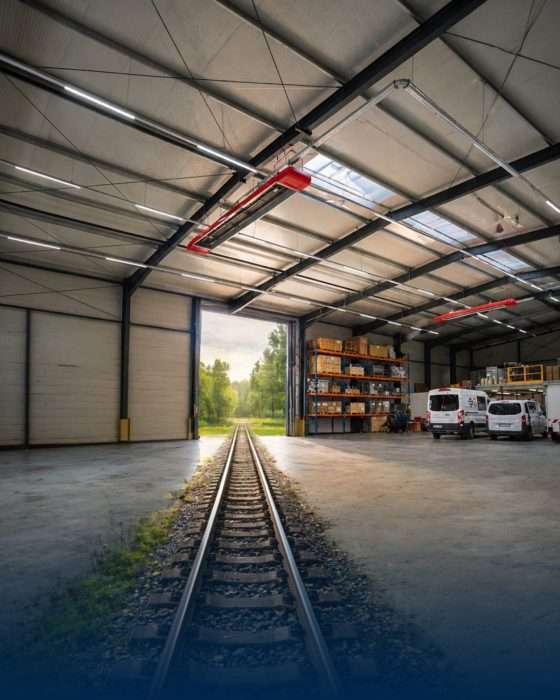
High rooms, air stratification and short usage times often make classic warm air solutions inefficient.
→ Technological openness instead of technological compulsion
The decisive factor is CO₂ reduction - not the commitment to a single solution.
→ Infrared as an efficient approach
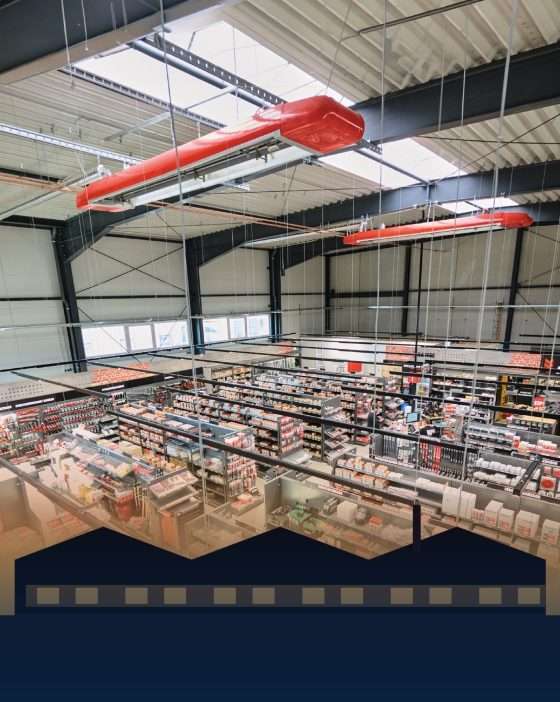
Directed heat reduces losses, enables rapid heating and increases user acceptance.
→ Energy flexibility creates future security
Systems that integrate different energy sources increase resilience and efficiency.
→ Digitalization as an enabler
Measurability and controllability are key prerequisites for economical heat management.
Moderated by Sarah Sousa, Energy and Environment Officer at the Chamber of Industry and Commerce for the Palatinate, the web seminar was also aimed at employees and decision-makers from SMEs in the second presentation by Nicola Kimiaie from the Mittelstand-Digital Zentrum Franken. After all, small and medium-sized enterprises in particular are facing new technical, economic and regulatory challenges as a result of the heating transition. At the same time, however, it could open up great opportunities to use energy more efficiently, reduce costs and develop new forms of heat supply.
Conclusion:
The heating transition starts with efficiency - and in many cases can be realized economically faster than assumed (often within 5-7 years). For SMEs, this means that those who act today can not only meet regulatory requirements, but also reduce costs and secure competitive advantages in the long term.
#Heat transition #Energy efficiency #SMEs #Energy transition #Sustainability #Industry #TTransformation #Digitalization