

Heating halls in compliance with GEG from 2024 - but how?
May 3, 2023
How will Germany heat from 2024 according to Federal Minister Habeck? First things first: the final answer is not yet available. This is because the draft for a new Building Energy Act (GEG) has only just made it through the cabinet. The next step will be to ask the Bundestag and Bundesrat. Nevertheless, the announced "end" for gas and oil heating systems has been making waves for months. And caused so much uncertainty that last winter, instead of investing in the energy-efficient refurbishment of their hall heating systems, industry often preferred to reactivate old oil and coal heating systems...
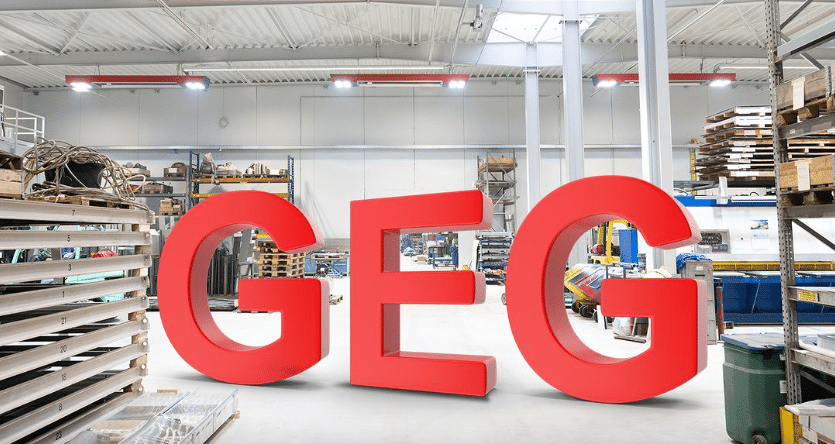
This was certainly not a good idea. After all, the shock paralysis has not only set back climate targets, but has also harmed companies: millions of euros in energy cost savings could not be booked on the credit side. The GEG from 2021 is still valid and the planned new version explicitly takes into account the special heating conditions of halls that rely on specific technologies such as decentralized infrared heating. Our experts have cleared the jungle of the draft bill for you and highlighted the points that are important for GEG-compliant hall heating from January 1, 2024.
In the new GEG ("65 % renewables for every new heating system from 2024"), the special features of "non-storey buildings" such as industrial and commercial buildings with their typically high ceilings are given due consideration
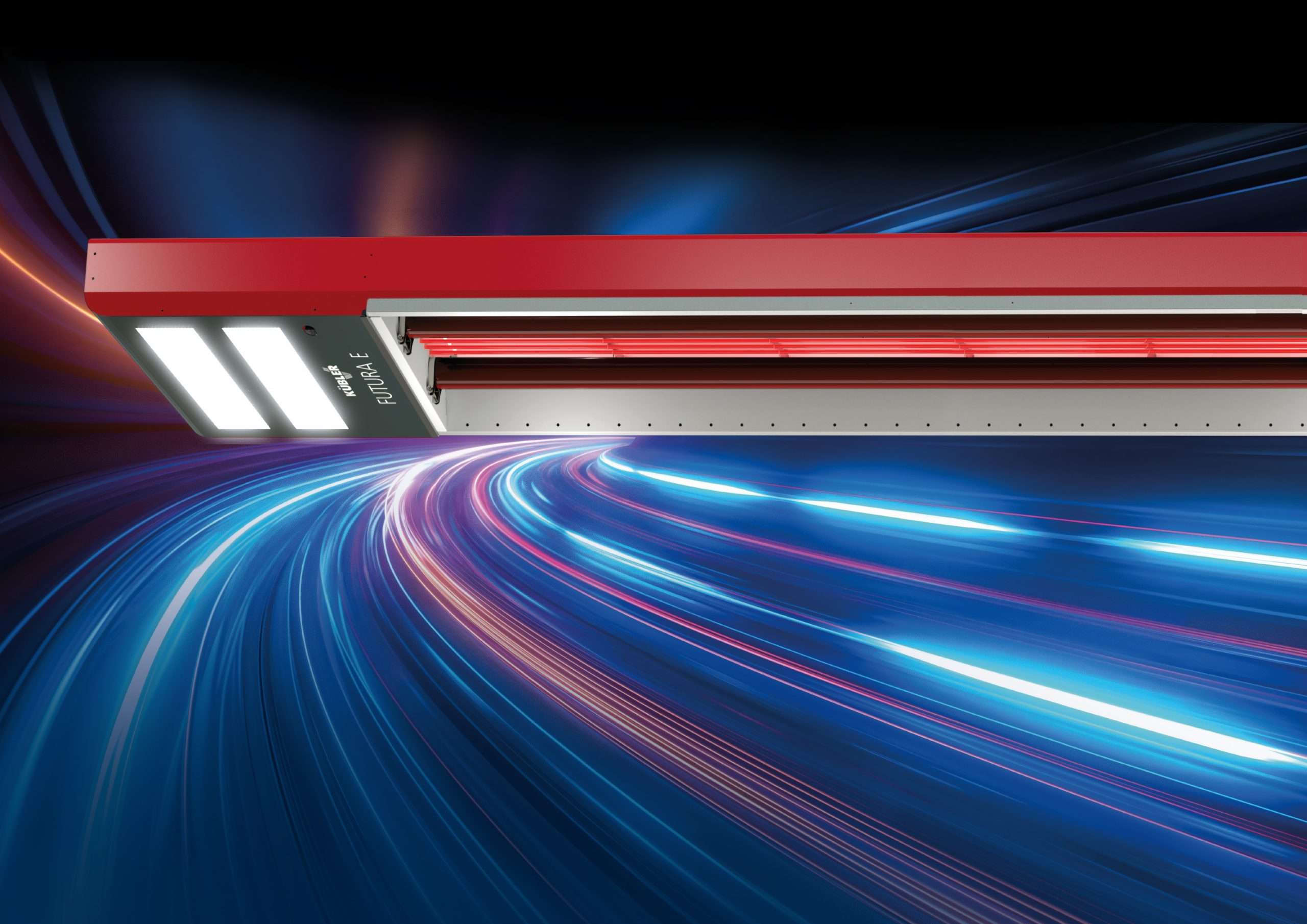
Highly efficient decentralized hall heating systems such as the KÜBLER FUTURA multi-energy heating system are the ideal solution for heating halls with typical ceiling heights ranging from 4 m to well over 20 m in some cases. With the ability to react quickly and precisely to local and temporal heat requirements - i.e. to provide heat only when it is needed in a specific area - the FUTURA heating system is the first to combine maximum efficiency in heating halls with the use of renewable energies in the form of green electricity and green gases, depending on availability.
Compliance with the new legal requirements (GEG from 2024) is ensured with FUTURA both in the renovation sector and in new builds. This is demonstrated by excerpts from the draft bill
- IR heaters operated directly by electricity with complete coverage of the heat demand automatically fulfill the requirements of the GEG in the hall area without additionally falling below the minimum requirements for structural thermal insulation (§71d (4)).
- The installation of a gas heating system that is capable of, to burn both natural gas and 100 % hydrogen ("H2-ready") also meets the requirements. Natural gas can initially be used for this, subject to compliance with a binding transformation path to be submitted by the gas distribution network operator in accordance with Section 71k. The conversion to hydrogen operation may only require limited structural changes to the heating system (currently proposed here are "a maximum of 20-25 % of the original investment costs").
- Any combination of the two previous points - such as the FUTURA multi-energy infrared heating system - is also a fulfillment option within the meaning of the new GEG (§71).
For the renovation of hall buildings, the great energy-saving potential of efficient decentralized heating is also further taken into account by the new GEG
- The installation of a highly efficient decentralized hall heating system is also possible here (in addition to the options mentioned above) without feeding in renewable energy: If 2 years after the installation of the decentralized heating system in halls (> 4 m) a saving of at least 40 % over the period of one year is proven, the basic requirement for the use of renewable energies according to §71 does not apply. The background to this is that the requirement for renewable energies is assessed here on a par with the saving of useful energy and is equivalent. Multi-energy systems such as FUTURA therefore meet the planned GEG requirements in several respects. And this is achieved through greater comfort and effective heat transfer via infrared with precise temporal and spatial allocation (e.g. zone heating). Another advantage for operators of industrial and commercial buildings is that the investment costs saved can be used to invest in a PV system. This increases the energy self-sufficiency of companies and at the same time leads to a reduction in energy costs. This is also an advantage in terms of decarbonization: the innovative Infaro heaters accompany their users into the future with investment security - beyond the year 2045. And all this with optimum comfort, perfect usability and unique multi-energy capability.
Everything you need to know about energy-saving hall heating systems in practice
Saving energy is a big issue - across all sectors. If you want to put an end to inefficient heating systems, our guide is just right for you!
Request a free guide
You might also be interested in
-
 When production is running in the run-up to Christmas, nobody has time for heating control. The main thing is that it is nice and warm in the hall. Once set, the heating runs for the specified operating times.
 -
 Outdated hall heating systems lead to horrendous heating costs and pollute the environment. Despite this, many operators shy away from investing in modernization. One possible solution: rented hall heating systems - heat-as-a-service!
 -
 Fair.AIdH - ideal heating systems for special buildings Halls have different heating requirements than office or other multi-storey buildings. As a rule, "normal" hot water heating systems inevitably fail due to the enormous room heights and dimensions: they consume an unreasonable amount of energy, offer little flexibility and thermal comfort, can hardly be controlled variably, heat hall ceilings instead of work areas, are often simply uneconomical and [...]
 -
 ESG stands for Environmental, Social and Corporate Governance and refers to the three key areas of sustainable corporate management: environment, social affairs and corporate governance. But what does this have to do with you and the way you heat your production halls and warehouses?